
Home · How It Works
Stop being the depositor. Become the banker.
Banks have done this for centuries. They take your money, lend it out, and collect the interest. Their balance never moves. Their wealth compounds without interruption. There is a process that lets you do the same thing, with your own capital.
01
Where did your last $100 go?
You paid $100. You got the groceries. That sounds normal. That’s what everybody does. But think about it from a different angle.

When you handed over that $100, where did it go? Is it still able to work for you? Can it still grow and compound?
No. That $100 is no longer with you. It can no longer work for you. It’s gone.
Now multiply that by every purchase you’ve ever made. Every bag of groceries. Every car payment. Every roof repair. Every tuition payment. Every single dollar stopped compounding the moment you spent it.
You're not just losing the dollar. You're losing everything it would have ever become.
02
Two paths. Same ending: zero.
There are only two ways most people make purchases. And here’s what nobody talks about, both of them destroy your compound growth.
Path one
The Saver's Way
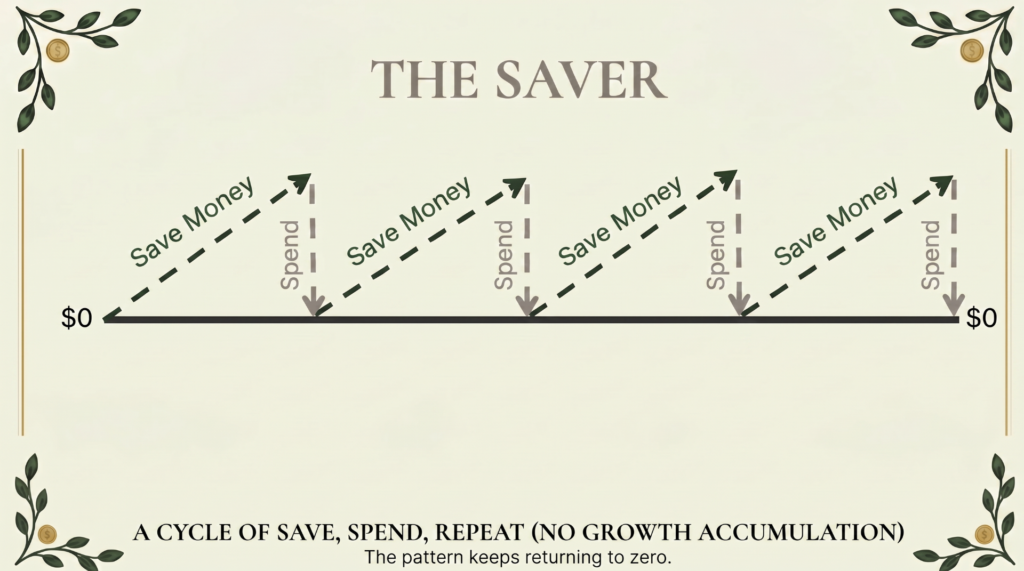
He works hard and saves harder. When he saves enough, he pays cash, no loans. His balance immediately drains. He got the car. But the cash is gone. Now he has to save all over again for the next purchase.
He lost not just the money, but the time, and the potential growth of that money.
Path two
The Debtor's Way
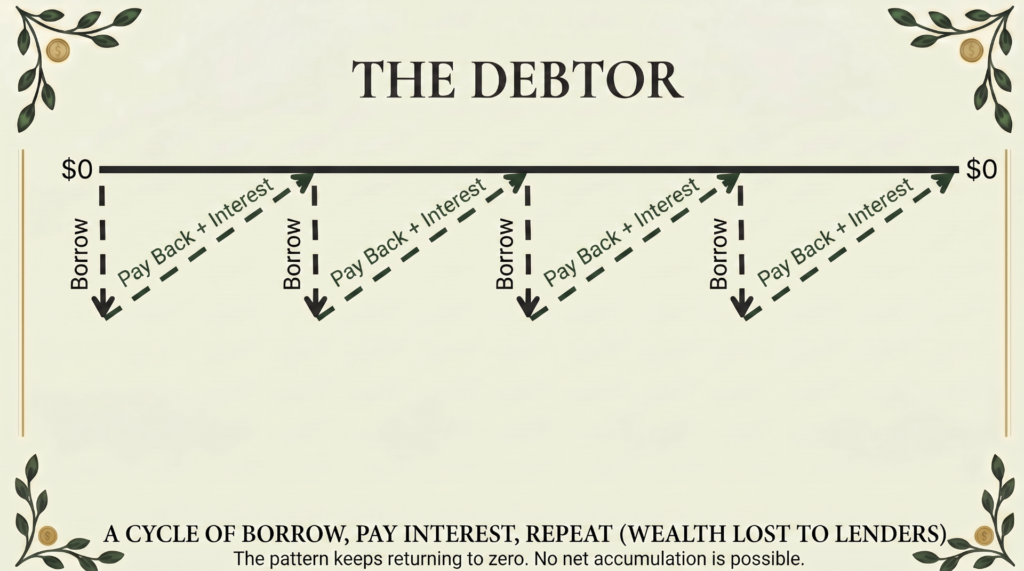
Instead of saving first, the debtor gets to use the money right away. A mortgage, a car loan, or a line of credit lets him get what he needs immediately and repay it over time from future income, with principal and interest paid each month. Years later, once the loan is fully repaid, the balance is back to zero, and the monthly payments are gone.
The debtor is always paying interest. And when the next purchase comes, he has to borrow again.
"You finance everything you buy, either by paying interest to others, or by losing the interest you could have earned. Either way, someone is always earning on your money."
03
Borrow against it. Don't spend it.
You build a pool of capital. That pool grows at a guaranteed compound rate, no market risk. When you need money, you don’t spend from the pool. You borrow against it. Your capital keeps compounding while you still have access to it.
Step 01
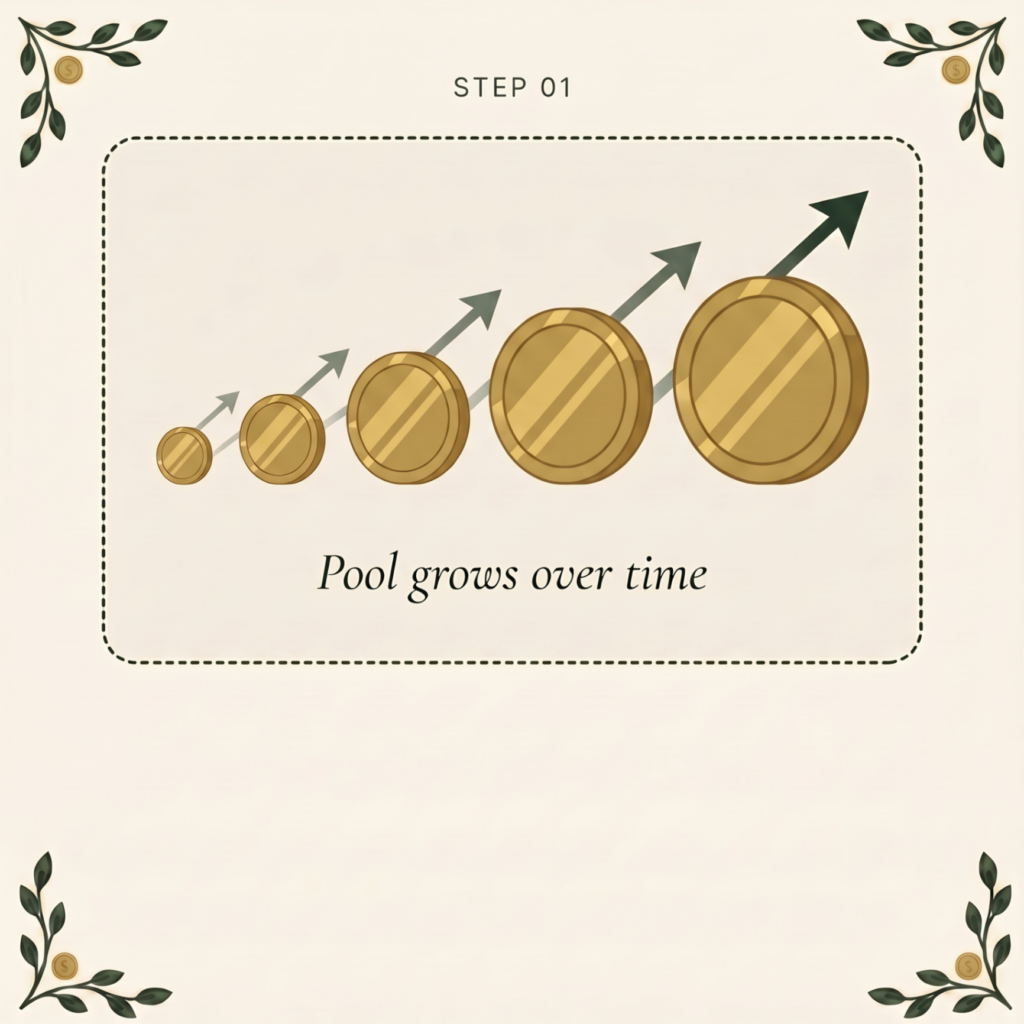
Build the pool
Step 02
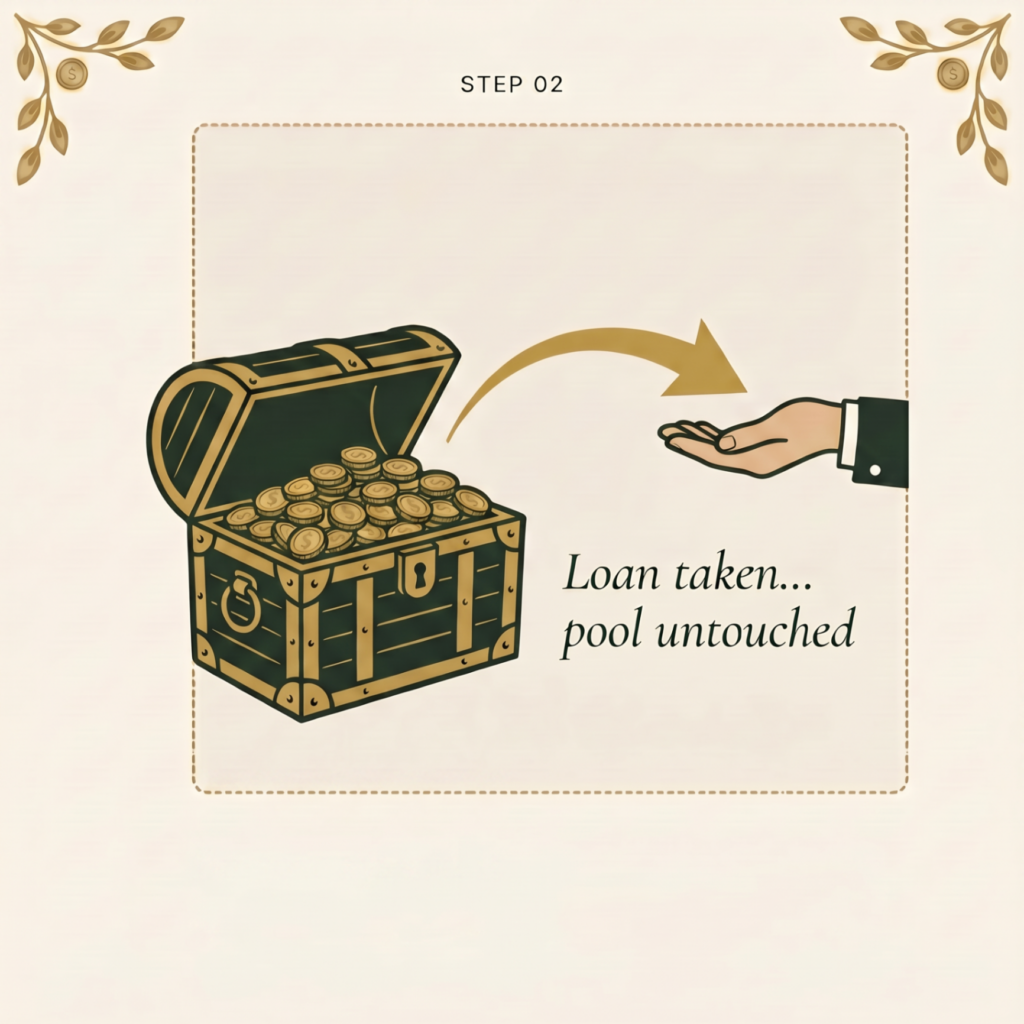
Borrow against it
Step 03
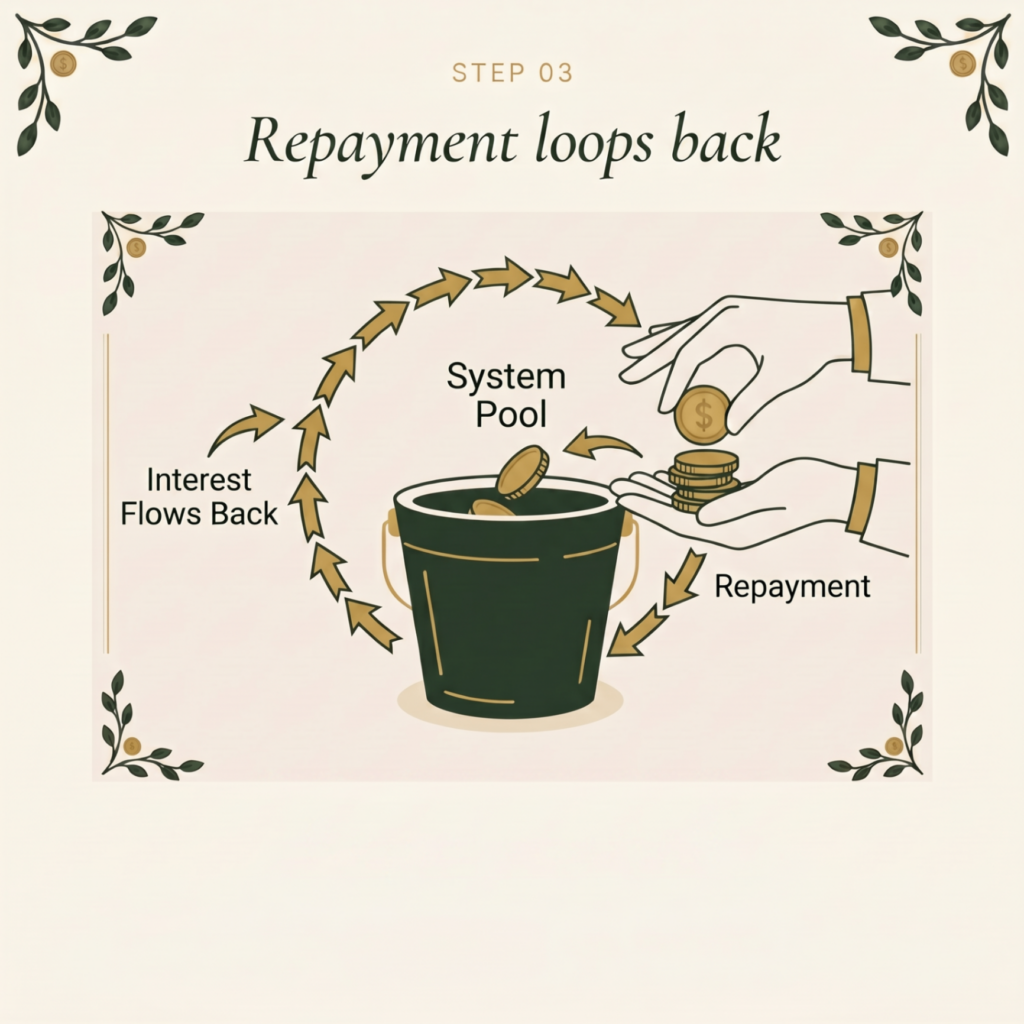
Repay yourself
Don't think like a consumer. Start thinking like a banker. Whoever has the gold makes the rules.
04
Your money keeps compounding. Forever.
Every dollar stays in motion. Every purchase routes through your own bank. The interest you used to pay to lenders, and the growth you used to lose to savings drains, both stay inside your system, compounding for the rest of your life.
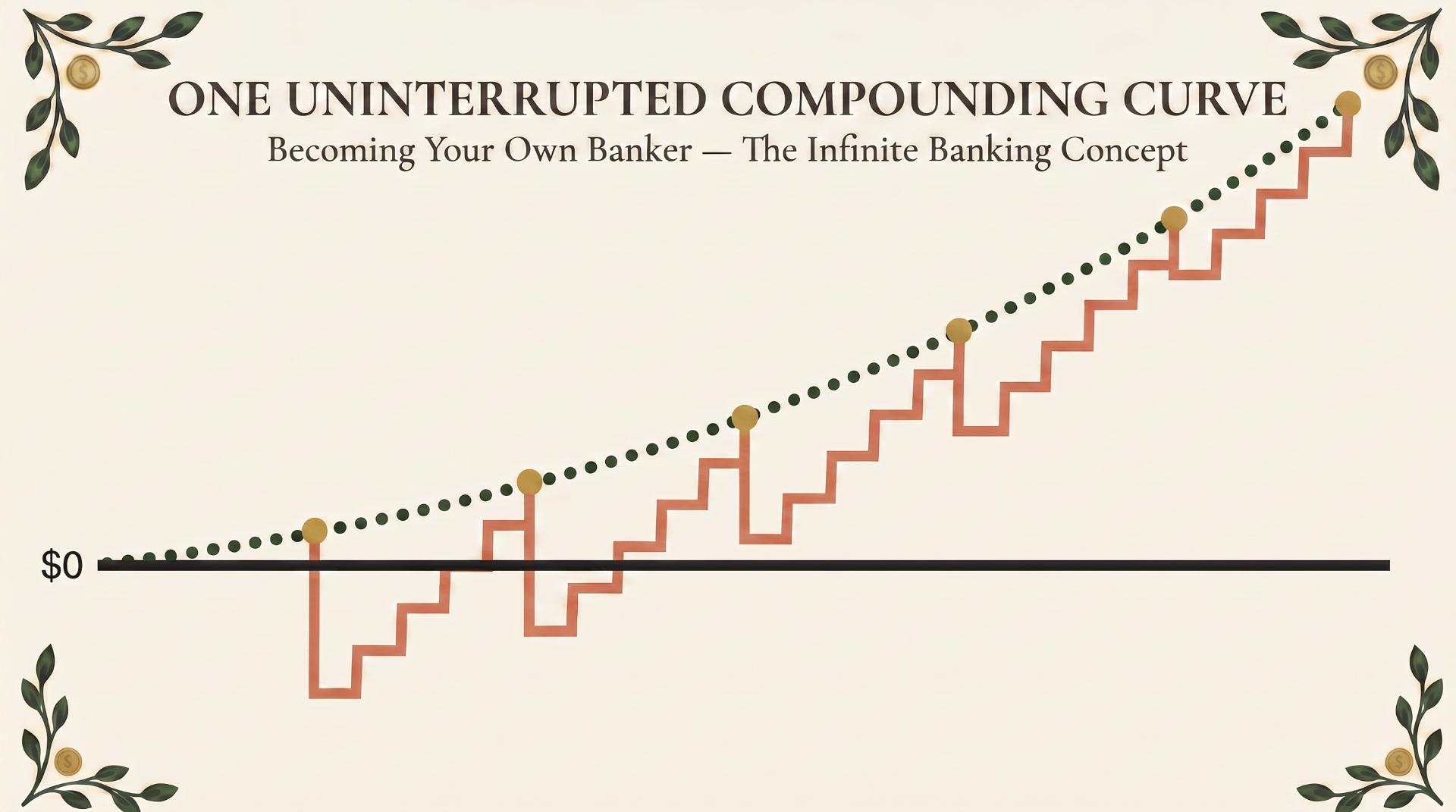
This is not an investment product. It’s a process, a way of organizing your capital so it never stops working. It’s how banks built their wealth. It’s how you can build yours.
See it in action.
From "back to zero" to a pool that never empties.
How a disciplined Canadian saver stopped restarting from scratch with every major purchase, and built a system that keeps compounding through it all.
Down payments that keep working, even after the deal closes.
Find out if this fits your situation.
A free 30-minute call. No pitch, just an honest look at whether this makes sense for you right now.
No obligation · 30 minutes · Available across Canada